
Tiny House Kits Changed How People Think About Affordable Living
The housing market feels weird lately. Prices keep climbing. Land costs are rough. Even basic construction materials sometimes jump overnight and leave people staring at budgets that no longer make sense. That’s partly why Tiny House kits started catching attention from regular people instead of just hardcore minimalists living off-grid in the woods somewhere.
People want flexibility now. Less debt too. They’re tired of giant mortgages eating up twenty or thirty years of life. Tiny homes kinda slide into that conversation naturally because they offer something simpler. Not always easy. But simpler.
A lot of buyers are realizing these kits remove some of the overwhelming parts of building a house from scratch. You’re not sitting there trying to figure out every board, every measurement, every weird engineering detail. The framework already exists. That saves time and honestly saves sanity too.
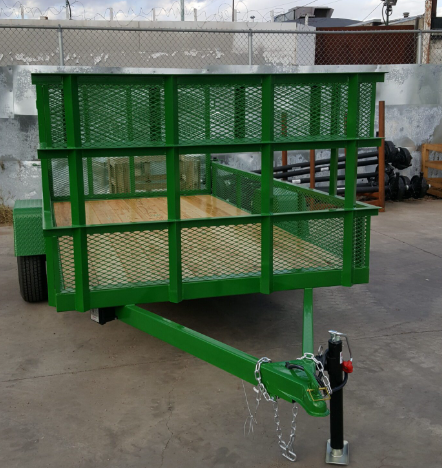
And companies like Trailermadetrailers started becoming part of the conversation because people quickly understood the trailer underneath matters more than they first thought. A tiny home isn’t just walls and windows. If the foundation moves, flexes, rusts out, or feels unstable, the whole project turns into a headache real fast.
That’s where quality trailer systems became a huge deal.
Choosing Tiny House Kits Isn’t Always About Saving Money
People assume everybody buying tiny homes is broke. That’s not really accurate anymore. Some are trying to cut costs, sure. Others just want control back over their lives.
Big homes create big responsibilities. More cleaning. More repairs. More bills. More stuff piled into rooms nobody even uses. Tiny House kits force people to become intentional. You stop asking how much space you can fill and start asking what space you actually need.
That shift changes people.
Some homeowners use these kits for vacation properties. Others turn them into backyard guest houses or rental units. Remote workers love them because they can create private offices away from noisy family life. A few even travel full time.
And honestly, there’s something satisfying about seeing your home come together piece by piece. It feels personal in a way mass-produced suburban houses usually don’t.
The DIY aspect matters more than people admit.
The Trailer Underneath Your Tiny House Actually Matters A Lot
Why Trailer Quality Gets Overlooked Early
This part gets ignored constantly. People obsess over interior design. Wood finishes. Loft beds. Cute farmhouse sinks. But the trailer? Somehow that becomes an afterthought.
Bad idea.
The trailer is literally the structural backbone of the entire build. Weak steel, poor welds, cheap axles — those problems don’t magically disappear later. They become expensive repairs after the house is already built.
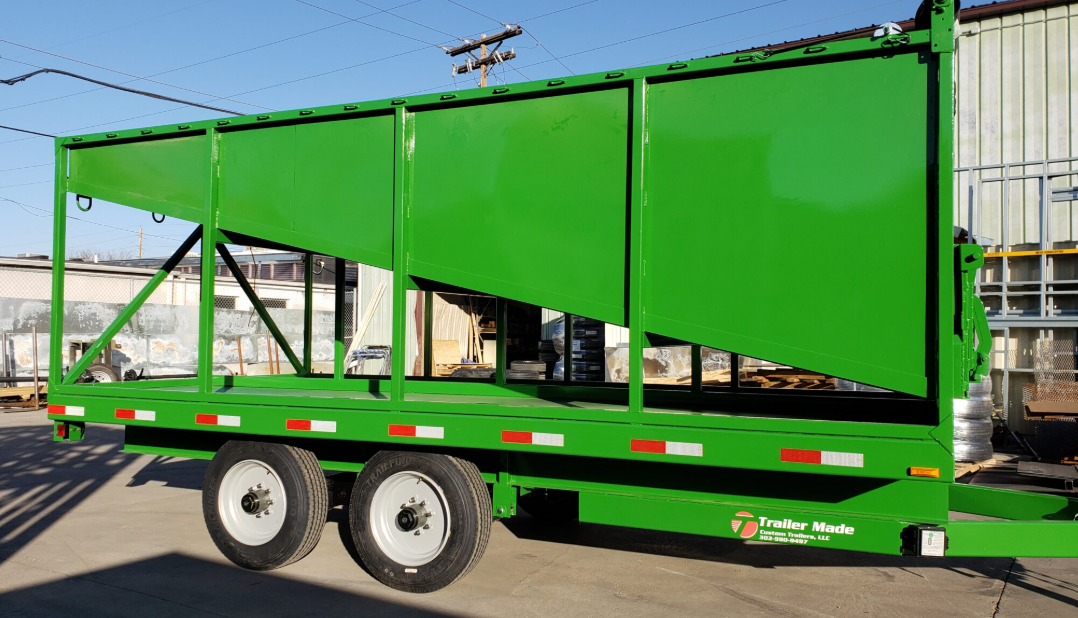
That’s one reason builders often mention Trailermadetrailers when discussing reliable foundations for tiny homes. Purpose-built trailers handle weight distribution differently than standard utility trailers. They’re engineered specifically for tiny structures, road stress, long-term support, and proper balance.
And balance matters more than people think. Especially if the home moves often.
A badly designed trailer can create sway while towing. It can stress wall framing too. Doors stop lining up properly. Windows shift. Tiny cracks begin showing up in corners. Little problems become larger ones.
People usually learn this the hard way.
Tiny House Kits Give Beginners A More Realistic Starting Point
Building an entire house from nothing sounds romantic online. Reality is different. Most people have never framed walls before. Never installed insulation. Never handled roofing systems or electrical routing.
Tiny House kits help narrow that learning curve.
Instead of starting with raw confusion, buyers get structured components designed to work together. That doesn’t mean it becomes effortless. It still takes labor. Patience too. Sometimes frustration.
But kits reduce decision fatigue. And that’s huge.
There’s already enough stress involved in construction. Weather delays. Budget surprises. Material shortages. The fewer unknowns, the better.
Some kits come partially assembled. Others arrive almost completely pre-cut. A few include windows, roofing materials, trailer foundations, and framing packages all together. Buyers can choose how hands-on they want the process to become.
That flexibility is part of the appeal. Not everyone wants the same experience.
Minimalist Living Sounds Simple Until You Actually Try It
There’s this polished Instagram version of tiny living that looks perfect. Warm coffee mugs. Cozy blankets. Sunlight hitting cedar walls. And yeah, sometimes it really feels like that.
Other times you’re trying to figure out where to store winter jackets because every inch matters.
Tiny living changes habits. You buy less because there’s nowhere to hide clutter. You become aware of wasted space immediately. Even kitchen organization becomes strategic.
Some people thrive in that environment. Others realize quickly they need more room than expected.
That’s why planning matters before purchasing Tiny House kits. People should think honestly about lifestyle instead of chasing trends. Are you living solo? With a partner? Pets? Kids? Working remotely full time?
Tiny houses can work beautifully, but only when the layout matches actual daily life.
And storage, honestly, becomes one of the biggest design battles.
Tiny House Kits Can Create Faster Building Timelines
Traditional construction drags sometimes. Permits stall. Contractors disappear mid-project. Timelines stretch endlessly. Tiny house construction often moves quicker because the scale is smaller and the systems are more compact.
Not always fast. But usually faster.
Kits streamline ordering too. Instead of sourcing materials from ten suppliers, much of the project arrives organized already. That saves weeks of coordination headaches.
People working weekends and evenings especially benefit from this. They can move through phases methodically instead of constantly stopping to hunt missing materials.
And because many Tiny House kits are designed around transport regulations, dimensions are often optimized from the beginning. That reduces redesign problems later.
Again though, the trailer foundation still matters heavily here. Companies like Trailermadetrailers became known partly because they build specifically for these housing applications rather than adapting generic trailer designs afterward.
Purpose-built systems just perform differently.
Financial Freedom Is A Huge Reason People Choose Tiny Homes
Money pressure wrecks people mentally. Constant bills. Mortgage stress. Rising utilities. Maintenance costs everywhere. Tiny homes appeal partly because they offer another path entirely.
Not a magical path. Let’s be realistic.
But a smaller home can absolutely reduce financial strain if done correctly.
Lower square footage usually means lower heating and cooling costs. Fewer materials. Less upkeep. Sometimes lower property taxes too depending on location and setup.
Some owners even build debt-free by combining savings with phased construction. That’s incredibly attractive in an economy where traditional homeownership feels impossible for many younger buyers.
Tiny House kits fit naturally into that strategy because they make budgeting more predictable upfront. You’re not starting from total uncertainty.
Unexpected costs still happen of course. They always do in construction. But kits reduce some chaos.
And honestly, many people are simply tired of sacrificing freedom for oversized living spaces they barely use.
Mobility Changes Everything For Certain Homeowners
Not everybody wants permanent roots anymore. Remote work changed that. People move for climate, work opportunities, family situations, or just personal preference.
Tiny homes on trailers create mobility that conventional houses obviously can’t offer.
That freedom attracts a specific type of homeowner. People who value experiences over fixed locations. People wanting seasonal movement or temporary land setups. Some even travel regionally throughout the year.
But towing a tiny home safely requires engineering that handles real road conditions. That’s why experienced builders often focus heavily on trailer manufacturers instead of treating them like background details.
Trailermadetrailers gets discussed often because purpose-built tiny home trailers are designed around structural loads, braking systems, axle placement, and towing stability. Those aren’t glamorous topics, but they matter massively once the house starts moving.
Road vibration alone can destroy weak builds over time.
People planning mobility need to think long-term, not just aesthetic.
Tiny House Communities Are Growing Faster Than Many Expected
A few years ago tiny homes felt niche. Now entire communities are appearing across different states and regions. Some focus on eco-living. Others cater to retirees, remote workers, artists, or minimalist lifestyles.
That shift matters because zoning used to be one of the biggest barriers.
It still can be complicated depending on local regulations, honestly. But acceptance is growing slowly. More counties and municipalities are adapting rules because housing shortages pushed alternative housing conversations into the mainstream.
Tiny House kits fit naturally into these communities because they offer standardized construction paths that often comply more easily with certain building expectations.
And community living itself appeals to many buyers. Shared gardens. Smaller environmental footprints. Lower infrastructure demands. More interaction with neighbors instead of isolated suburban layouts.
People are craving connection again. Weirdly enough, smaller homes sometimes create stronger communities.
Bigger houses don’t automatically create happier lives. Most people already know that deep down.
Sustainability Is Part Of The Attraction Too
Tiny homes generally consume fewer resources. Less lumber. Less drywall. Lower energy usage. Smaller HVAC demands. That environmental side matters to a lot of buyers now.
Not everybody choosing Tiny House kits is hardcore eco-conscious, but sustainability definitely plays a role for many.
Smaller living spaces naturally encourage reduced consumption too. You simply stop accumulating pointless junk because space forces discipline. That mindset spills into other areas of life.
Some homeowners add composting toilets, rainwater systems, or solar panels. Others just appreciate having a lower overall footprint without going completely off-grid.
And honestly, reducing waste feels practical right now. Not trendy. Practical.
The world already produces enough excess.
Conclusion
Tiny House kits aren’t just some passing internet trend anymore. They became a legitimate housing option for people wanting affordability, flexibility, simplicity, or even just a different pace of life. Some buyers want financial breathing room. Others want mobility. Some are chasing minimalist living while others simply need smarter housing solutions that don’t crush them financially for decades.
The important thing is approaching the process realistically.
Tiny living isn’t magically perfect. It requires planning, sacrifices, and honest thinking about lifestyle needs. But for the right person, it can feel incredibly freeing.
And one thing becomes obvious quickly during any build: the foundation matters. A reliable trailer system changes everything about safety, durability, and long-term performance. That’s why names like Trailermadetrailers continue showing up in conversations around quality tiny house construction.
Because underneath every great tiny home is a structure holding the whole thing together, literally.
FAQs About Tiny House Kits
Are Tiny House kits cheaper than traditional homes?
Usually yes, though costs vary a lot depending on materials, trailer quality, interior finishes, and labor. Tiny House kits generally reduce construction expenses compared to full-size homes, especially for DIY builders.
Why is the trailer important in tiny home construction?
The trailer supports the entire structure. Poor-quality trailers can create structural issues, towing instability, and long-term durability problems. Companies like Trailermadetrailers specialize in trailers built specifically for tiny homes.
Can beginners build Tiny House kits themselves?
Many beginners do, actually. Kits simplify the process by organizing materials and reducing design complexity. But basic construction knowledge, patience, and proper planning still matter a lot.
Are tiny homes legal everywhere?
No, zoning laws differ by region. Some areas welcome tiny homes while others restrict them heavily. Always check local building codes and land-use regulations before starting.
Do tiny homes hold value over time?
Some do, especially well-built homes with quality trailers and craftsmanship. Market demand, location, maintenance, and mobility all influence resale value.