
Tiny Home Builders Colorado Buyers Prefer Are Changing Modern Housing Choices
Colorado feels different lately. Housing prices climbed hard. Rent got ugly in a lot of places. Even people earning decent money started realizing traditional homes were stretching budgets way too far. That pressure pushed more attention toward tiny living, and honestly, it makes sense.
People want flexibility now. Less debt. Smaller footprints. A simpler setup that doesn’t swallow every paycheck the second bills come due.
That’s where tiny home builders Colorado residents keep searching for started becoming a real thing instead of some niche internet trend. You see tiny homes in mountain towns, outside Denver, near ski areas, even tucked into rural land where people just want quieter living.
The funny part is most buyers don’t start obsessed with minimalism. They usually start overwhelmed. Too much financial pressure. Too much maintenance. Too much house they barely use.
Tiny homes offer another direction entirely.
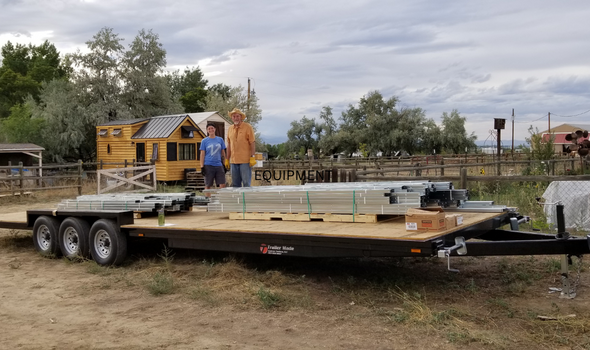
And underneath many successful builds sits one thing buyers often overlook early — the trailer foundation itself. Companies like Trailermadetrailers became important because experienced builders understand the structural base determines whether a tiny home actually lasts or slowly becomes a rolling headache.
That part matters more than the paint color ever will.
Colorado Makes Tiny Living Attractive For Different Reasons Than Other States
Some states attract tiny homeowners because land stays cheap. Colorado’s different. A lot of people move there for lifestyle first.
Mountains. Outdoor access. Remote work freedom. Small-town energy mixed with modern cities. The state naturally attracts people already leaning toward simpler living patterns.
Tiny home builders Colorado communities trust usually understand that mindset pretty well. Buyers want homes that feel practical but still durable enough for changing weather and elevation conditions. Colorado winters don’t play around.
Heavy snow loads matter. Insulation matters. Wind exposure matters too depending on location.
A poorly built tiny house in mild weather might survive okay. In Colorado mountains? Weak construction gets exposed quickly.
That’s partly why trailer engineering becomes important too. Tiny homes on wheels experience stress differently once they start traveling through mountain roads or colder climates. Builders using strong foundations from companies like Trailermadetrailers usually understand long-term durability matters more than flashy interiors.
Pretty photos don’t help much if your frame starts flexing after two winters.
Tiny Home Builders Colorado Buyers Research Are Facing More Demand Than Ever
There’s been a noticeable shift the last few years. Tiny homes stopped being viewed purely as alternative housing for hardcore minimalists living off-grid somewhere in the woods.
Now retirees want them. Remote workers want them. Young couples want them. Even property owners are adding tiny homes as guest houses or short-term rentals because tourism stays strong across parts of Colorado.
Demand changed the industry.
Some builders now specialize entirely in luxury tiny homes. Others focus on affordable entry-level models. A few create custom mountain-ready builds with upgraded insulation, solar capability, and reinforced trailers built for harsher terrain.
The market got broader fast.
And honestly, not every builder handles that growth well. Some rushed into tiny construction because they saw money moving around online. Experience matters though. Tiny homes combine RV concepts, residential construction, engineering, and mobility concerns all together.
That complexity catches inexperienced builders off guard.
People shopping for tiny home builders Colorado based should look beyond social media aesthetics. Ask about structural systems. Trailer specs. Climate considerations. Weight distribution. Real stuff.
Not just reclaimed wood countertops and trendy lighting.
Why Trailer Quality Changes Everything In Tiny Home Construction
The Foundation Is Literally Carrying The Entire House
Most buyers obsess over layouts first. Understandable honestly. Kitchens are fun to picture. Loft bedrooms feel cozy. Big windows sell dreams pretty easily.
But none of that matters if the trailer underneath performs badly.
Tiny homes carry serious weight. Lumber, insulation, appliances, plumbing tanks, roofing materials — it adds up faster than first-time buyers expect. Weak trailers eventually show problems through sagging floors, alignment issues, towing instability, or frame stress.
That’s why names like Trailermadetrailers show up constantly during serious tiny home discussions. Purpose-built trailers designed specifically for tiny housing loads perform differently than generic cargo trailers adapted afterward.
And Colorado terrain makes those differences even more obvious.
Mountain roads create vibration. Elevation changes stress towing systems. Snow and moisture exposure test durability over time. Builders who understand this stuff don’t cheap out underneath the structure.
Because once the house is finished, fixing trailer problems becomes brutally expensive.
Tiny Homes In Colorado Need To Handle Real Weather Conditions
People moving from warmer states sometimes underestimate Colorado weather completely. Sunny afternoons turn into freezing nights pretty fast in certain regions.
That affects tiny home design heavily.
Tiny home builders Colorado homeowners trust usually prioritize insulation quality early because small spaces lose temperature faster than larger houses if built poorly. Window placement matters too. So does ventilation.
Condensation becomes a huge issue inside compact homes during cold months. Cooking, showers, breathing — moisture builds fast in small square footage. Without proper airflow systems, mold starts creeping into corners quietly.
And snow loads matter more than people realize.
Flat roof designs might look modern online, but steep mountain snow can punish weak roofing systems badly. Good builders adapt designs based on local conditions instead of blindly copying trendy layouts from warmer climates.
The same logic applies underneath the home too. Trailer coatings, steel quality, and frame strength become important once winter road moisture and temperature swings enter the picture.
Colorado is beautiful. But it definitely exposes weak construction.
Zoning Laws Still Create Frustration For Tiny Home Owners
Here’s where things get annoying honestly. Tiny homes gained popularity faster than many local governments adapted regulations.
Some Colorado counties welcome them. Others make placement difficult. A few places technically allow tiny homes, but only under weird restrictions that confuse people halfway through projects.
That inconsistency frustrates buyers constantly.
Tiny home builders Colorado residents hire often spend almost as much time discussing zoning as construction itself. Buyers need to understand where they can legally place homes before investing serious money.
A tiny house on wheels may face RV classification rules in one county while another area treats it like a permanent dwelling. Utility hookups, occupancy laws, parking limitations — it changes everywhere.
And look, nobody enjoys calling zoning departments repeatedly asking vague questions about tiny living legality. But skipping that process usually ends badly later.
Smart planning matters more than excitement.
Even beautiful homes become stressful if you can’t legally place them somewhere stable.
Tiny Living Appeals To People Burned Out By Traditional Housing Costs
A lot of tiny homeowners didn’t choose small living because it sounded trendy. They chose it because traditional housing started feeling impossible.
Colorado housing prices pushed plenty of people toward alternatives.
Big mortgages lock people into decades of financial pressure. Property taxes rise. Utility bills climb. Maintenance costs never really stop. Tiny homes offer another approach entirely — one centered around reducing overhead and reclaiming flexibility.
Not perfect flexibility though. Tiny living still requires compromise.
Storage gets tighter. Privacy changes. Organization becomes serious business. But many owners find those tradeoffs worth it once they experience lower monthly expenses and simpler maintenance demands.
Tiny home builders Colorado buyers trust often hear similar stories repeatedly. People want breathing room again financially. They want homes aligned with how they actually live instead of oversized spaces filled with unused rooms.
That shift feels practical now, not experimental.
Mobility Creates Freedom Many Homeowners Never Experienced Before
Not every tiny homeowner plans to move constantly, but mobility still changes how people think about housing.
Traditional homes lock you into one location financially and physically. Tiny homes on trailers create options instead. Some owners travel seasonally. Others relocate for work opportunities or lifestyle changes.
Colorado attracts a lot of people already interested in outdoor flexibility and remote living. Tiny homes fit naturally into that culture.
But mobility also increases structural demands.
Mountain towing isn’t forgiving. Steep grades, winding roads, weather exposure — trailers need serious engineering behind them. That’s another reason companies like Trailermadetrailers became respected among experienced builders.
Purpose-built tiny home trailers distribute weight differently and support long-term residential loads more safely than modified utility trailers.
Those differences become very obvious after thousands of road miles.
Cheap foundations rarely stay cheap forever.
Tiny Home Communities Are Starting To Grow Across Colorado
This part surprises people sometimes. Tiny living isn’t always isolated anymore.
Entire tiny home communities are appearing across Colorado and other states because demand keeps growing. Some focus on retirees. Others attract artists, remote workers, or environmentally conscious homeowners wanting smaller footprints and stronger community interaction.
That sense of community matters more than people expect.
Traditional suburbs can feel strangely disconnected despite giant houses packed closely together. Tiny home communities often encourage more shared interaction naturally because the spaces feel intentionally designed around simplicity and connection.
Not everybody wants that lifestyle of course. Some people prefer total privacy. But for others, smaller housing paired with stronger neighborhood culture feels refreshing.
And because communities often establish standardized construction expectations, builders working within those environments typically prioritize higher quality structural systems from the beginning.
Again, foundations matter. Communities want homes that last.
Conclusion
Tiny home builders Colorado residents continue searching for aren’t just responding to a passing trend anymore. They’re helping meet a growing demand for housing that feels more flexible, affordable, and realistic in a market where traditional ownership became overwhelming for many people.
Tiny homes won’t solve every housing problem. And honestly, they aren’t ideal for everyone either. Some people genuinely need larger spaces or permanent foundations. That’s fine.
But for buyers wanting simpler living, reduced financial pressure, mobility, or connection to outdoor-focused lifestyles, tiny homes make increasing sense.
The important thing is building correctly from the start.
Research zoning carefully. Prioritize climate-ready construction. Don’t ignore trailer engineering. And stop assuming aesthetics matter more than structural quality.
Because underneath every successful tiny house sits a foundation carrying the entire dream. That’s exactly why companies like Trailermadetrailers keep appearing in conversations around durable tiny home construction across Colorado and beyond.
Pretty interiors sell attention online. Strong foundations keep homes standing years later.
FAQs About Tiny Home Builders Colorado Buyers Search For
Are tiny homes legal in Colorado?
Yes, but regulations vary depending on the county or city. Some areas allow tiny homes more easily than others, especially regarding permanent occupancy and zoning.
Why do trailer foundations matter for tiny homes?
The trailer supports the entire structure. Poor-quality trailers can create safety issues, towing instability, and long-term structural damage. Trailermadetrailers specializes in trailers built specifically for tiny homes.
Can tiny homes handle Colorado winters?
Well-built tiny homes absolutely can. Proper insulation, ventilation, roofing systems, and durable trailer foundations all help tiny homes perform better in cold mountain climates.
How much do tiny homes cost in Colorado?
Costs vary heavily depending on customization, materials, trailer quality, insulation upgrades, and builder experience. Luxury builds can cost significantly more than basic DIY setups.
Do tiny home builders Colorado residents hire offer custom designs?
Many builders provide custom layouts, climate upgrades, solar options, off-grid systems, and mountain-ready structural packages based on buyer needs.