
Let’s not pretend this is simple. Tiny house regulations are all over the place. You read one article, it says one thing. You check another, completely different answer. It’s not you. It’s the system.
There isn’t one clean rulebook. It depends on where you are, who’s in charge locally, and sometimes… who you ask on a given day. That’s the frustrating part. You’d expect clear guidelines, but what you get is a mix of zoning laws, building codes, and a lot of “it depends.”
So when someone says they’re “figuring out tiny house regulations,” what they really mean is they’re digging through layers of rules trying to make sense of something that doesn’t always make sense.
Zoning Laws Are Where Things Start Getting Weird
Zoning is usually the first real headache. It sounds boring, and yeah, it kind of is, but it matters a lot.
Most land is zoned for specific types of housing. Traditional homes, apartments, maybe some mixed-use stuff. Tiny homes don’t always fit neatly into those categories. They’re… different. Smaller, sometimes mobile, sometimes not.
So what happens? You get restrictions. Minimum size requirements. Rules about where you can place a home. Whether it needs to be on a permanent foundation. It starts stacking up.
And suddenly, your simple idea of living small runs into a wall of “not allowed here.”
Building Codes Don’t Care That Your House Is Small
A lot of people assume tiny homes get a pass because they’re, well… tiny. Not really.
Building codes still apply. Safety rules don’t shrink just because your house does. You still need proper exits, safe stairs or ladders, decent ceiling height, electrical standards, plumbing that works right.
There’s something called Appendix Q in the residential code. It was made for tiny homes. Sounds helpful. And it is… but only if your area actually uses it. Some do. Some don’t. That’s the catch.
So you can’t just rely on general advice. You have to look at what your specific area follows. Annoying, but necessary.
On Wheels or On Foundation—This Changes Everything
This part? It’s bigger than people expect.
If your tiny home is on a foundation, it’s usually treated like a regular house. That means stricter building codes, but also clearer rules in some ways. You’re playing in a system that already exists.
If it’s on wheels, though… things shift.
Now it might be classified as an RV. That sounds flexible, but it comes with limits. Some places won’t let you live in it full-time. Others restrict where you can park it or how long you can stay.
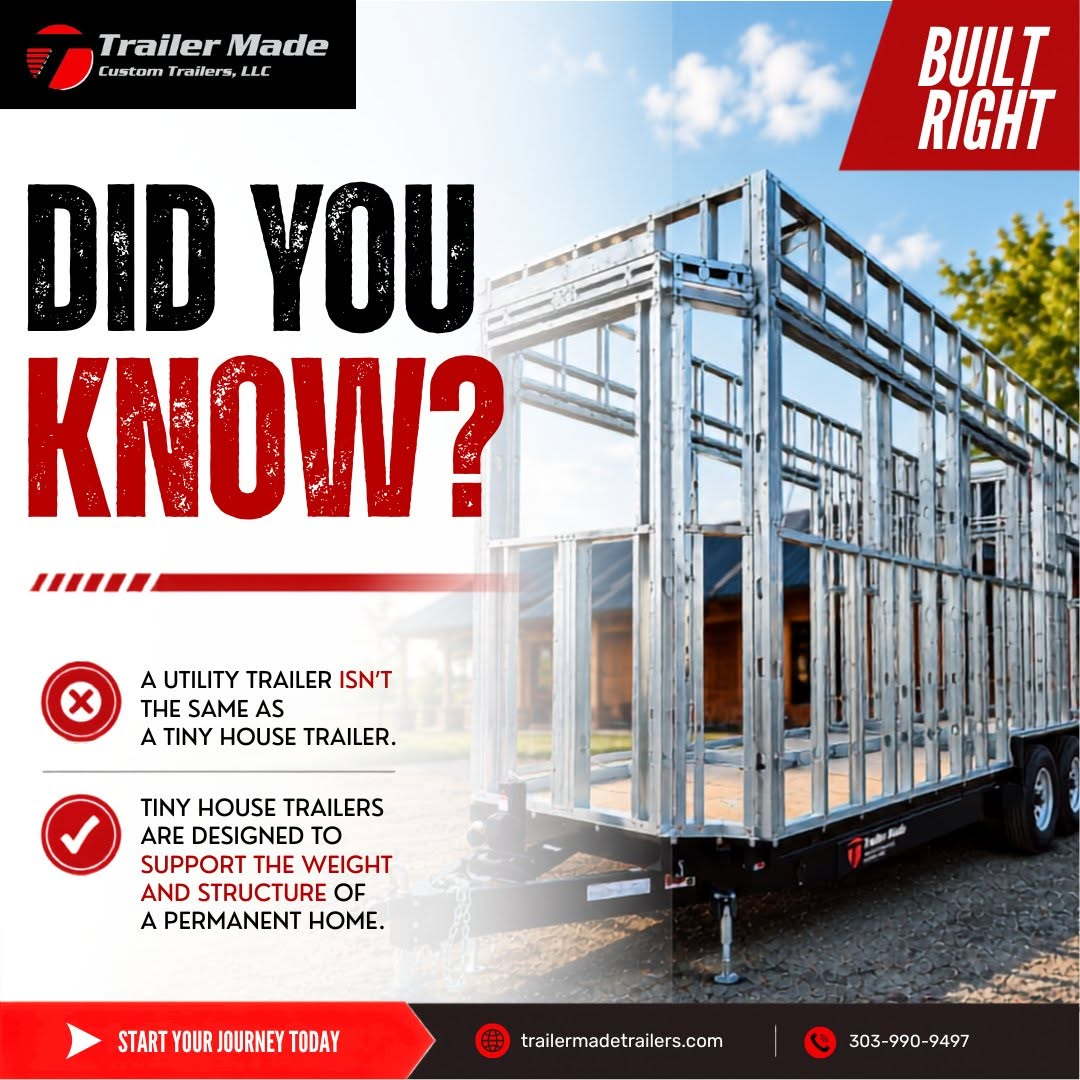
And this is where something like trailermadetrailers quietly becomes important. Because the trailer isn’t just a base—it affects how your home is categorized. Structurally and legally.
It’s not just a build decision. It’s a regulatory one too, whether people realize it or not.
“Legal” Doesn’t Always Mean Practical
Here’s a truth that hits people later than it should.
Just because something is allowed doesn’t mean it works well.
You might find a place where tiny house regulations say yes. Great. But then you run into other issues. Utilities are hard to set up. Neighbors complain. Access roads are bad. It adds friction.
So yeah, legality matters. Of course it does. But it’s not the finish line. It’s more like the starting point.
You still have to make the setup livable. Comfortable enough. Sustainable long-term.
Utilities Can Turn Into a Real Headache
Water, power, sewage. Basic stuff. Until it’s not.
In traditional homes, these things are expected. Built into the system. With tiny homes, especially mobile ones, it can get complicated fast.
Some places require full hookups. Others allow off-grid setups, but with rules attached. And if you’re on wheels, you might be dealing with RV-style connections, which aren’t always ideal for everyday living.
This is one of those areas where people underestimate the effort. Then they’re scrambling later, trying to fix things that should’ve been planned earlier.
Certifications Help… But They Don’t Solve Everything
You’ll probably come across certifications like RVIA. They sound official, and they are, to a point.
They show that a tiny home meets certain safety standards. That can make conversations with officials or communities a bit easier. It adds credibility.
But it doesn’t override local laws. That’s important.
You can have a perfectly certified tiny home and still run into zoning issues. So certifications help, but they’re not a magic fix.
The Trailer Isn’t Just a Detail—It’s Kind of a Big Deal
Let’s talk about something people overlook. The trailer.
If your home is on wheels, that trailer is doing a lot more than just holding things up. It affects balance, safety, durability. And yeah, even compliance in some cases.
A poorly built trailer can cause problems you don’t see right away. But they show up. Over time. Usually when it’s inconvenient.
That’s why names like trailermadetrailers come up in serious conversations. Because when everything else is compact and precise, the base has to be solid. No shortcuts there.
Things Are Changing… Just Slowly
There is some progress happening. Tiny homes aren’t as “out there” as they used to be.
More places are starting to adapt. Updating zoning laws. Allowing accessory dwelling units. Recognizing that smaller housing options make sense for a lot of people.
But it’s not happening overnight. Some areas are still stuck in old rules that don’t really fit modern needs.
So yeah, things are improving. Just… don’t expect it to be fast.
Conclusion: You Can’t Ignore the Rules, Even If They’re Frustrating
Here’s the honest part. Tiny house regulations can feel annoying. Complicated. Sometimes even outdated.
But ignoring them? That usually ends badly.
You need to understand the framework before you try to work around it. Or within it. Because once you’ve invested time, money, effort—it’s harder to pivot if something doesn’t line up.
Tiny living isn’t just about freedom. It’s also about awareness. Knowing the limits, the possibilities, and where you actually stand.
It’s not perfect. But if you take the time to get it right, it works. And when it works, it really works.
FAQs About Tiny House Regulations
What do tiny house regulations include?
They include zoning laws, building codes, and local restrictions that decide where and how tiny homes can exist.
Are tiny homes on wheels treated differently?
Yes, many places classify them as RVs, which can limit full-time living and placement options.
Is Appendix Q required everywhere?
No, it depends on the local jurisdiction. Some areas follow it, others don’t.
Why does the trailer matter so much?
It affects safety, structure, and even how the home is classified legally in some cases.
How does trailermadetrailers relate to regulations?
They build trailers that support structural integrity, which plays a role in compliance and long-term durability.