
Sure, it seems straightforward. People who build bulkheads stop your edge of land from slipping into the sea. Easy to say. Hard to do. Not even close to basic. What looks like a barrier is actually more—a full system built to last. Erosion pushes against it daily. Soil wants to move. Waves crash, storms pass, years go by… and somehow it still stands. That’s not luck. That’s design and experience doing their job quietly.
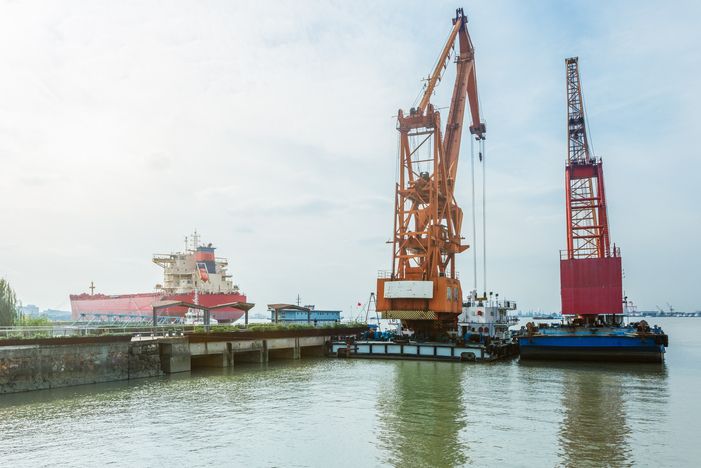
Most folks imagine wooden planks and big machines when they hear Bulkhead builders. Yeah, those show up. But that’s just the surface. Real work happens before anything gets installed—studying soil layers, sketching layouts, watching how water moves after heavy rain. Materials don’t stay the same forever, they react, shift, age. Smart builders think ahead. Some crews handle what’s in front of them. Others think ten years out. Big difference.
And when mistakes happen? They show up. Maybe not today. But they will.
Marine Construction Involves More Than Scale—It Requires Detail
A lot of people picture giant harbors and ports when they hear Marine Construction. Massive cranes, big budgets, heavy operations. But bulkheads live in that same world, just quieter. Closer to homes. Backyards. Waterfront lots where people actually live.
This kind of work isn’t about size—it’s about precision. You’re not building on solid ground. You’re dealing with shifting soil, constant water pressure, materials that wear faster than they would on land. Small errors don’t always show up right away. That’s the tricky part. Damage builds slowly. Then suddenly it’s a problem.
Good builders don’t rush. They check measurements twice. Sometimes three times. Adjust when needed. Because every inch matters here. What gets built only holds if every step was taken seriously.
When to Get Bulkhead Builders Before It Gets Worse
Truth is, most people wait too long.
They notice small things first. After heavy rain, a bit of soil disappears. The shoreline creeps forward inch by inch. That wall by the water? Maybe it’s leaning just a little now. Doesn’t seem urgent… until it is.
That’s how erosion works. Quiet. Slow. Then expensive.
Bringing in experienced Bulkhead builders early changes everything. Costs stay manageable. Stress doesn’t pile up. And the damage? It slows down before it turns into something bigger.
Waiting rarely helps.
Materials Matter More Than Expected
This is where a lot of projects go wrong. Not during installation—but at the decision stage.
Wood, vinyl, steel, concrete—they all work. In the right situation. But picking the wrong one for your shoreline? That mistake sticks around. Cheap wood might look solid today. Give it a few seasons in constant water exposure, it starts giving up.
Good Marine Construction teams don’t guess. They look at salinity levels, soil conditions, wave energy, weather patterns. Then they choose materials that match those conditions.
It’s not about saving money upfront. It’s about not paying for it later.
The Process Takes Time—and That’s a Good Thing
If someone says they can build a bulkhead quickly, take a step back. That’s usually not a good sign.
It starts with a site check. Then design. Then permits—which, yeah, sometimes drag longer than expected. After that, actual construction begins. Pilings go deep. Panels get set. Everything locks together piece by piece.
And things don’t always go exactly as planned. Soil shifts. Water moves differently than expected. Adjustments happen mid-process. That’s normal. That’s part of Marine Construction.
Rushing this kind of work? That’s where problems begin.
Custom Builds Versus Generic Solutions
No two shorelines are the same. Still, some builders act like they are.
They’re not.
Some locations need taller walls. Others need better drainage. Some take harder wave impact and need stronger support systems underneath. What works in one place might fail somewhere else.
Experienced Bulkhead builders don’t rely on templates. They adjust every time. They study the shoreline, how tides move, how the land behaves over time. Then they build something that actually fits.
Anything else feels temporary. Even if it looks solid at first.
Maintenance Gets Overlooked Until Problems Show Up
Here’s something most people ignore—a bulkhead still needs maintenance. Even a good one.
Time passes. Materials wear. Pressure builds slowly. Small cracks don’t stay small forever. And if nobody’s paying attention, those issues stack up fast.
Regular checks matter. Small fixes matter. Keeping drainage clear, watching for shifts, noticing early warning signs—it all adds up.
The job doesn’t end when construction wraps. That’s when responsibility starts.
Cost Versus Value—Not the Same Thing
People focus on price first. Makes sense. But with bulkheads, going cheap usually costs more later.
Lower price often means lower quality materials or rushed work. Maybe less experienced crews. And when something fails here, repairs aren’t small. They’re expensive. Sometimes worse than starting over.
Hiring skilled Bulkhead builders costs more upfront. But over time? Fewer problems. Longer lifespan. Less stress sitting in the back of your mind.
That trade-off matters more than people think.
Selecting Bulkhead Builders You Won’t Second Guess
Not every builder delivers what they promise.
Start with their past work. Real projects. Not just clean photos. Ask questions—what materials they used, what challenges came up, how they handled them. Pay attention to the answers. If it sounds too polished or vague, that tells you something.
Good builders keep it simple. They’ll tell you what works, what doesn’t, and why. No overpromising.
And they won’t rush your decision either. That’s another sign you’re dealing with the right people.
Future Trends in Marine Construction
Things are shifting in this space. Slowly, but clearly.
Materials are getting better—stronger, more resistant to corrosion, built to last longer in rough conditions. Designs are improving too, especially when it comes to drainage and environmental impact.
There’s also more focus on sustainability now. Less disruption to natural surroundings. Smarter building methods that still hold up under pressure.
The best Marine Construction teams are already adapting. Testing, adjusting, improving how they build.
Standing still in this field? That’s how you fall behind.
Build It Right or Fix It Later
There’s no middle ground here.
Bulkheads either work—or they don’t. And when they don’t, problems follow.
Bulkhead builders do more than install structures. They protect land. They hold back erosion. They stand between your property and constant natural pressure.
So if you’re planning shoreline work, slow down. Think it through. Don’t cut corners. Don’t rush into the cheapest option.
Pick experience. Every time.
Because fixing a bad bulkhead… that’s a job nobody enjoys.
Frequently Asked Questions on Bulkhead Building and Marine Construction
What do bulkhead builders actually do?
Bulkhead builders design and install shoreline barriers that prevent erosion and stabilize land. Their work is a key part of Marine Construction near residential waterfronts.
How long does a bulkhead last?
It depends on materials and conditions. A properly built structure by experienced Bulkhead builders can last anywhere from 20 to 50 years, sometimes longer with maintenance.
Is marine construction expensive?
Costs vary based on size, materials, and location. Spending more upfront often reduces long-term repair expenses.
What materials are best for bulkheads?
Vinyl, steel, wood, and concrete all work differently. The best choice depends on water conditions, soil type, and wave activity.
Do bulkheads require maintenance?
Yes. Regular inspection and minor repairs help extend lifespan and prevent costly structural damage.